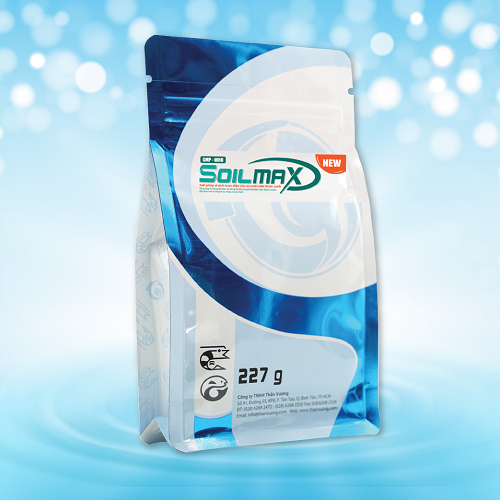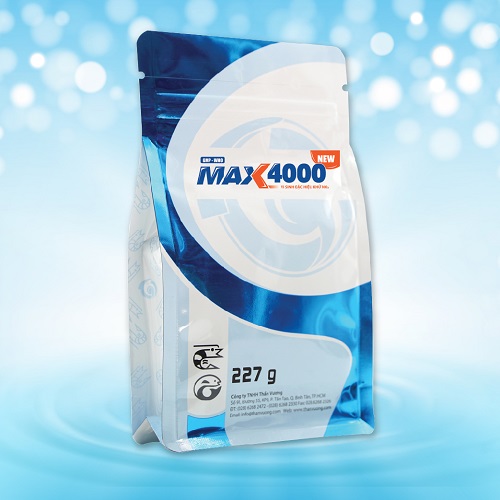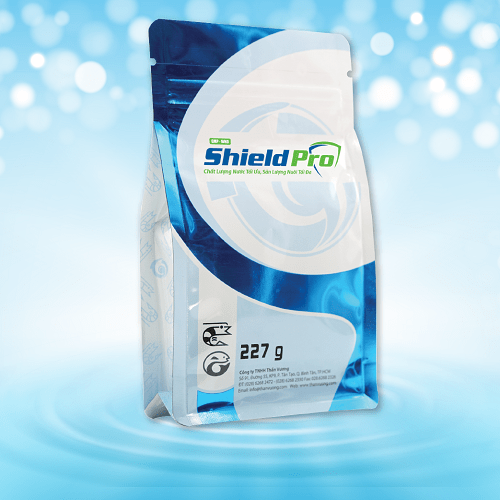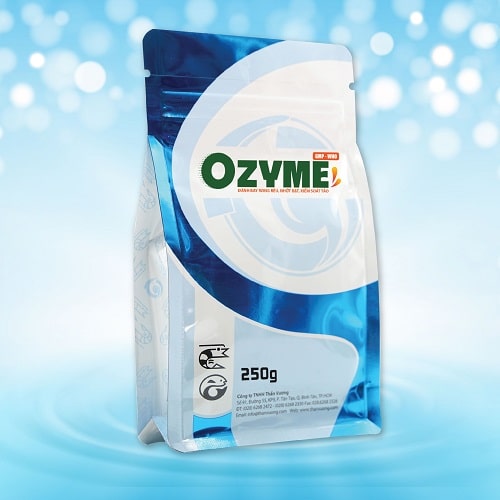

Advantages and mechanism of action of the new yeast system
- Inhibits permeability changes, reduces phosphorylation, and degrades bacterial binding activity, preventing bacteria from proliferating and spreading virulence to affect the shrimp's hepatopancreas.
- When harmful bacteria attack the shrimp's body and directly affect the intestinal wall, they cause the initial inflammatory conditions of intestinal diseases. Yeast will block pathways related to NF-κB activity (which involves cell adhesion, activation of inflammatory cells, or dissemination of virulence factors, accelerating the disease process).
- The new yeast system can disrupt phosphorus synthesis (by secreting specific protein phosphatases to inhibit the phosphorylation process of harmful bacteria) during biofilm formation in the body. This is a significant value of this yeast system. Pathogenic bacterial strains often tend to use phosphorus to form biofilms in the intestine and hepatopancreas. Therefore, pathogens will cause prolonged damage that the animal cannot self-recover from.
- Protects epithelial cells in the animal's body, providing a very useful application to ensure growth. Because the higher the number of harmful bacteria in the animal's body, the harmful bacteria will adversely affect the animal's epithelial cells, leading to immune suppression, impaired cell division, and restricted growth in infected animals.
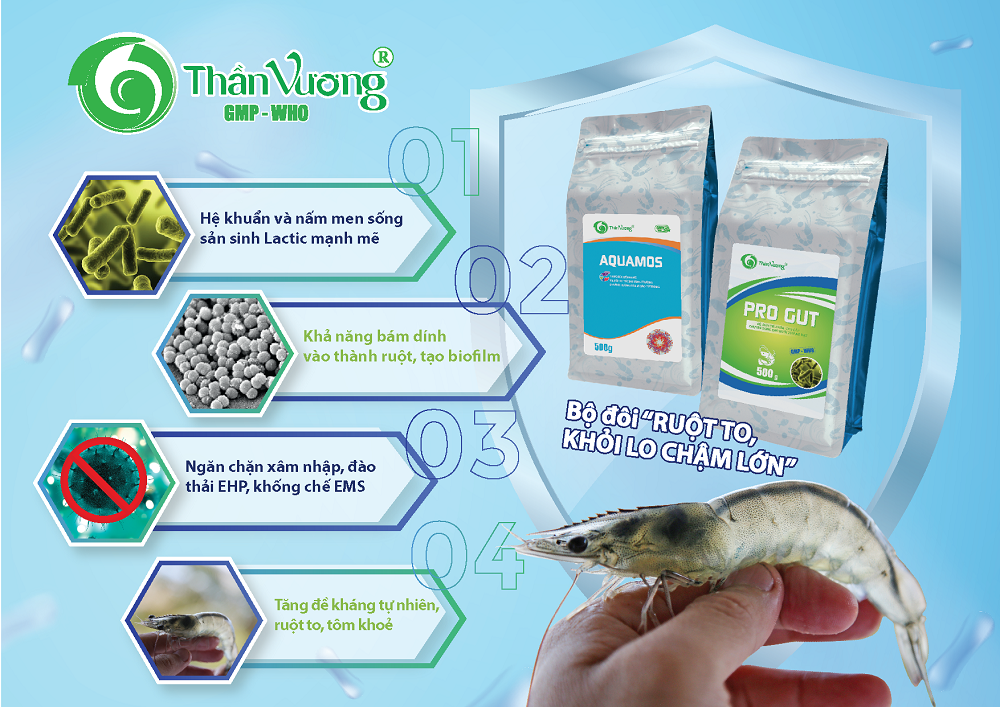
- The only yeast system capable of helping balance the gut microbiota, similar to Lactic acid bacteria.
- Protects the intestinal mucosa by combating harmful bacterial biofilm formation, auto-agglutinating pathogens, helping balance the gut microbiota, and enhancing the immune system of farmed shrimp.
Optimizing shrimp health
- Truly healthy gut.
- Stimulates natural immunity and resistance in shrimp.
- Good absorption, good growth.
Instructions for use
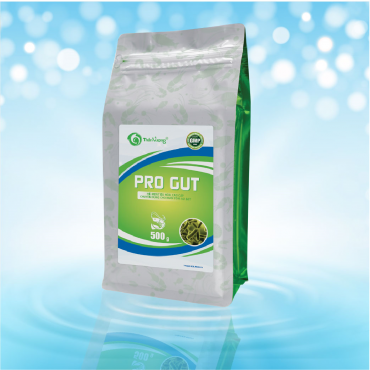
Mix the product with sufficient clean water, mix thoroughly with feed, coat with ATOMIC or an appropriate coating product, and let dry for 20 minutes before feeding shrimp.
- During farming: 2 - 3 g/kg feed, once/day, every 2 - 3 days.
- In cases of shrimp suffering from intestinal issues, floating feces, white feces, or after antibiotic treatment: 4 - 5 g/kg feed, 1 - 2 times/day until shrimp recover.
Note:
- Dosage may vary depending on shrimp health and actual farming conditions.
- Seal tightly, zip the bag immediately after use if the product is not fully consumed.